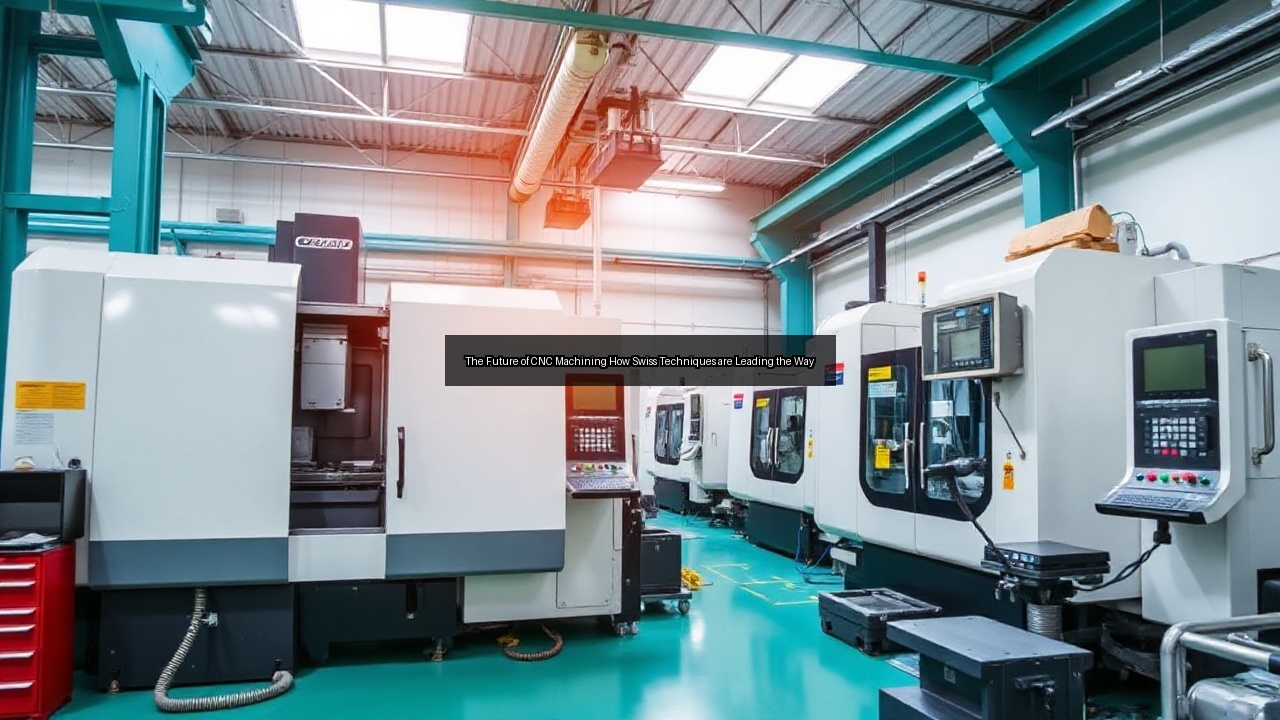
The Future of CNC Machining How Swiss Techniques are Leading the Way
Understanding the Basics of Swiss Machining
What is Swiss Machining?
Swiss machining, often referred to as Swiss screw machining, originates from Switzerland and specializes in the production of small, precision components. This technique excels at manufacturing parts with complex geometries and tight tolerances. Swiss machines operate using a unique process where a rotating spindle holds the workpiece while cutting tools shape the material. The movement of the tools allows for highly efficient machining of intricate features, making Swiss machining services invaluable in industries requiring precision, such as aerospace and medical device manufacturing. The adaptability of Swiss machining to various materials, including stainless steel, copper, nylon, and PTFE, further enhances its appeal.
Key Features of Swiss Machining
Swiss machining stands out due to its distinctive features that cater to high precision and efficiency. One key attribute is the ability to produce parts with minimal waste, as the process allows for maximum material utilization. The machines typically employ multiple tool stations, enabling simultaneous operations that significantly reduce cycle times. Additionally, the advanced CNC capabilities of Swiss machines facilitate complex operations such as threading, turning, and milling within a single setup. This integration streamlines production, enhances throughput, and ensures that each part meets stringent quality standards. The emphasis on quality is often supported by ISO 9001 certification, which guarantees adherence to international quality management principles.
The Role of CNC in Swiss Machining
CNC technology revolutionizes Swiss machining by automating the control of machinery and tools. CNC machines offer unparalleled precision, enabling manufacturers to produce parts with extraordinary accuracy, often within microns. The programmability of CNC systems allows for rapid adjustments and reconfigurations, accommodating varying production needs without extensive downtime. In Swiss machining, CNC enhances capabilities such as multi-axis machining, which allows for the creation of complex geometries that traditional methods struggle to achieve. This integration of CNC technology not only boosts efficiency and speed but also helps in maintaining consistent quality across high-volume production runs.
Advantages of Swiss Machining Techniques
Precision and Accuracy in Manufacturing
Precision and accuracy form the cornerstone of Swiss machining techniques. The design of Swiss screw machines allows for exceptionally tight tolerances, often reaching as low as ±0.002 inches. This level of precision is critical in applications where even the slightest deviation can result in operational failures, such as in aerospace and medical applications. The ability to consistently produce accurately machined components ensures that parts fit together seamlessly, which is vital in complex assemblies. Swiss machining’s focus on quality is reinforced by rigorous testing protocols and adherence to standards like ISO 9001, further solidifying its reputation for reliability in high-stakes industries.
Efficiency and Speed in Production
Swiss machining techniques significantly enhance production efficiency and speed. The unique setup of Swiss machines allows for rapid tool changes and simultaneous operations, which minimizes cycle times and maximizes output. Manufacturers benefit from the ability to produce large volumes of parts in shorter timeframes without sacrificing quality. The design of Swiss machines often includes features that streamline material handling and minimize downtime, further boosting overall productivity. This efficiency is particularly advantageous for high-volume runs, where maintaining consistency and quality is paramount. Companies like McCormick Industries leverage these advantages to meet demanding production schedules while ensuring the highest standards of craftsmanship.
Material Versatility: From Stainless Steel to Teflon
Swiss machining excels in its ability to work with a wide range of materials, making it a versatile choice for manufacturers. Common materials processed through Swiss machining include stainless steel, copper, acetal, nylon, and PTFE. This versatility allows manufacturers to respond quickly to market demands and adapt to diverse project requirements. The ability to machine various materials with precision ensures that components can meet specific performance criteria, whether they require resistance to corrosion, high strength, or low friction properties. This adaptability makes Swiss machining an ideal solution for industries ranging from automotive to aerospace, where material properties directly impact performance.
Applications of Swiss Machining in Various Industries
Aerospace and Automotive Components
Swiss machining plays a critical role in the aerospace and automotive industries, where precision and reliability are non-negotiable. Components such as fasteners, brackets, and gears manufactured using Swiss techniques meet stringent performance requirements. The aerospace sector, in particular, demands parts that can withstand extreme conditions while maintaining tight tolerances. Swiss machining’s capability cnc machining services to produce lightweight yet durable components makes it an essential method for developing advanced systems in aircraft and vehicles. Moreover, the integration of CNC technology allows for the rapid prototyping of complex designs, enabling manufacturers to innovate continuously and enhance overall performance.
Medical Devices and Equipment
The medical industry relies heavily on Swiss machining for the production of precision components used in devices and equipment. Surgical instruments, implants, and diagnostic tools require high levels of accuracy and consistency to ensure patient safety. Swiss machining’s ability to handle materials like stainless steel and PTFE, which offer biocompatibility and durability, makes it an optimal choice for medical applications. Manufacturers utilize Swiss techniques to produce components that meet regulatory standards, ensuring reliability in critical medical procedures. The focus on quality, supported by ISO 9001 certification, further reinforces the trust placed in Swiss machining services by medical device companies.
High-Volume Production of Screws and Pins
High-volume production of screws and pins showcases the efficiency of Swiss machining techniques. The design of Swiss screw machines allows for the rapid production of these small but essential components, which find applications in a wide range of products across various industries. The capability to maintain tight tolerances during the machining process ensures that screws and pins fit precisely within their intended assemblies, thus enhancing overall product reliability. Companies specializing in screw machining often take advantage of Swiss techniques to scale up production while maintaining consistent quality, positioning themselves as leaders in the competitive manufacturing landscape.
The Future of Swiss Machining Services
Emerging Technologies in CNC Machining
The future of Swiss machining services lies in the integration of emerging technologies that promise to revolutionize production processes. Innovations such as additive manufacturing, artificial intelligence, and IoT are beginning to influence how manufacturers approach machining tasks. These technologies enhance automation and data collection, allowing for real-time monitoring and optimization of machining operations. By leveraging AI algorithms, manufacturers can predict maintenance needs, reducing downtime and improving efficiency. As these technologies continue to evolve, Swiss machining will likely adapt, enabling manufacturers to produce even more complex and high-quality components while minimizing waste and resource consumption.
Sustainability and JIT Logistics Management
Sustainability has become a focal point in manufacturing, and Swiss machining services are no exception. Manufacturers increasingly prioritize eco-friendly practices, aiming to reduce waste and energy consumption. Implementing Just-In-Time (JIT) logistics management enhances sustainability by minimizing inventory costs and reducing unnecessary production. JIT practices ensure that materials arrive precisely when needed, allowing for leaner operations and reducing the environmental footprint. Swiss machining’s efficiency aligns well with these sustainability goals, making it a preferred choice for forward-thinking manufacturers looking to balance productivity with environmental responsibility.
The Role of ISO 9001 in Quality Assurance
ISO 9001 certification plays a crucial role in assuring quality within Swiss machining services. This internationally recognized standard outlines the principles of effective quality management systems, emphasizing customer satisfaction and continual improvement. Manufacturers who achieve ISO 9001 certification demonstrate their commitment to producing high-quality components while adhering to rigorous testing and documentation standards. This certification not only instills confidence in clients but also positions companies as reliable partners in competitive markets. As the demand for precision machined components continues to grow, maintaining ISO 9001 compliance will remain essential for manufacturers seeking to thrive in the evolving landscape of Swiss machining.